This year’s Black History Month theme, Standing Firm in Power and Pride, feels especially relevant to conversations around identity, belonging and transition.
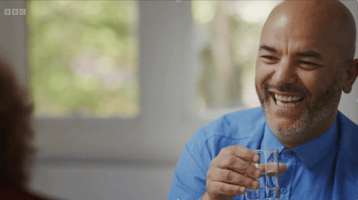 To explore what this means in practice, we spoke with Matthew Page, founder of IAmMatthew, a transformational coach and intersectionality and identity consultant. Matthew’s story, which was featured on BBC Family Secrets, raised profound questions about the nature of identity and sparked a journey that led him to help others navigate the complexity of who they are and how they show up in the world.
Matthew’s work with individuals and organisations cuts across industries, including sport. His reflections offer valuable insight into how we can all create spaces that recognise every part of a person’s identity and why, during Black History Month, it is especially important to honour the stories, experiences and leadership of Black people who stand firm in that truth every day.
Matthew shares what this year’s theme means to him, how his journey has shaped his understanding of identity and what we can all learn about belonging, both inside and outside of sport.
Finding Strength in Identity
Black History Month's theme of Standing Firm in Power and Pride resonates deeply. For me, it means having the confidence to be myself, to be proud of who I am, and to know that my identity is my strength. It’s about celebrating the achievements of Black people throughout history and understanding that our stories, power and pride are not up for negotiation.
My sense of pride has evolved over time. Early in my life, I often felt the need to make myself smaller to fit in, particularly in environments where my identity wasn't understood. However, through my journey, including my appearance on BBC Family Secrets with Stacey Dooley, I have learned to embrace all parts of who I am. My pride now comes from knowing my full story and understanding the strength it took to navigate my identity journey.
Turning Experience into Purpose
I felt most powerful in my identity when I realised that my experiences were not weaknesses but were, in fact, the foundation of my work. This happened when I started my company, IAmMatthew, and began my work as a transformational coach and intersectionality and identity consultant. It was a pivotal moment when I was able to use my personal journey to help others.
Seeing the Full Picture
As an intersectionality expert, I see how the different parts of our identity, like race, gender, sexuality, and class, don't exist in isolation. They overlap and create a unique experience of the world. For me, being a Black man who is also a professional consultant and a trustee at the Fostering Network means I navigate different spaces and expectations. This has shaped my understanding of identity by showing me that belonging isn’t about fitting in, but about creating space for all parts of who you are.
It’s vital for people to recognise the full picture of who they are because trying to fit a single label is restrictive and can lead to a loss of self. When we only acknowledge one part of our identity, we deny the richness of our experiences and the unique perspective we bring to the world. Acknowledging our full selves allows for authenticity and resilience.
Lessons for Sport and Beyond
Understanding intersectionality helps us build stronger, more inclusive communities. By recognising that everyone has a complex identity, we can move beyond a one-size-fits-all approach to inclusion. In sport, for example, it’s not enough to just talk about race; we also need to consider gender, disability, and class. This allows organisations to create a more comprehensive and genuinely inclusive environment where everyone feels they belong.
The loss of identity athletes can feel when leaving sport has strong parallels with other identity transitions, such as leaving a long-term job or going through a major life change. When an environment has defined a significant part of your identity, stepping away can leave a void. For me, this resonates with my own journey of moving away from certain expectations and roles to embrace my own, authentic path.
Reclaiming Self through Community
To reclaim a sense of self, people can start by reflecting on their values and passions outside of the environment that once defined them. It's about exploring new interests and building a new community that supports their new identity. Coaching can be incredibly helpful in this process of self-discovery and reinvention.
Community also plays a crucial role in helping people feel seen and valued during change. When you have a supportive network, you can share your vulnerabilities and experiences with people who understand. This sense of belonging is a powerful antidote to the isolation that can come with major life changes.
Moving Beyond Tokenism
Genuine representation, to me, means more than just having diverse faces in a company brochure. It means having people from different backgrounds in positions of power where they can influence decisions. It's about creating a culture where everyone's voice is valued and heard, not just ticking a box. Organisations can move beyond tokenism by investing in long-term programmes, creating inclusive policies, and listening to the experiences of their employees.
What Gives Me Hope
What gives me hope is seeing more open and honest conversations about race, identity and belonging. While there is still a long way to go, I see a growing number of people who are willing to learn and unlearn, and to challenge the status quo. This dialogue is the first step toward genuine change.
Standing Firm in Your Story
My one message to athletes or anyone navigating career changes is this: you are more than your job or your sport. Your power and pride come from the sum of your life experiences, your resilience, and your unique story. Stand firm in that. You have everything you need to build a new life for yourself.
Topics from this blog: Community